The Psychology of the Email Subject Line: Why We Click (or Don’t)


Rows of Steel apartment mailboxes, The Psychology of the Email Subject Line: Why We Click (or Don’t)
In the overcrowded space of your subscribers’ inboxes, strong email subject lines are key to standing out. It’s the first impression, the hook, and the main reason your email gets opened or ignored.

What makes an email subject line stand out? The answer lies in psychology. Understanding how people think and make decisions is the way you can start writing email subject lines that really stand out.

Curiously Clicking

People are naturally drawn to the unknown. Subject lines that pose a question but don’t provide the answer make recipients want to learn more!

  • “This is what most companies get wrong with social media.”
  • “Are you making these common 3 mistakes?”

The psychological pull is called the curiosity gap and it’s a pretty powerful tool. Just make sure your content actually delivers on the intrigue to avoid disappointing your audience.

FOMO and Urgency

Creating a fear of missing out (FOMO) or a sense of urgency pushes people to act fast. This works best when it’s actually true.

  • “48 hours left to get your free gift.”
  • “Last chance to buy until next Spring!”

Time-sensitive language kicks in our need to avoid loss and not miss out on what our peers have.

Personalized and Tailored

Email subject lines that include your recipient’s name or address them directly are a great way to get them to open. Most email marketing platforms offer a feature to pull names from their contact form, so it’s very simple to do!

  • “[NAME], we missed you at our event last week!”
  • “5 buys with [NAME] written all over them”

These personalized subject lines are 26% more likely to be opened than those with generic greetings.

When in Doubt, Test it Out

There are a few ways you can test out email subject lines for the same campaign so that you can see what is really working for you.

  • Split your email list in half and send each a different subject line; note which performs better and stick with a similar one for your next email.
  • Resend the same email to people who haven’t opened it yet, but with a different subject line the second time around. (Again, most email marketing platforms have features that allow you to segment your list by opens.)

As with everything, finding the perfect subject line can be trial and error, so it doesn’t hurt to combine both of these practices for a single campaign.

Don’t forget, the perfect subject line blends creativity with a good dose of psychology. It’s all about the balance! If you’re still looking for tips, here are some great tools for testing and improving your email subject lines: SubjectLine.com Testing Tool and CoSchedule’s Email Subject Line Tester are both free to try and offer great insight.

Need help improving your email campaigns? We’re here to help! Call us at 330-286-0487 or email us at info@mcconnellmarketing.com to get in touch!


  •  

Digital Accessibility Matters: How Tourism Bureaus Can Be More Inclusive


Why Digital Accessibility Matters: Wheelchair ramp image of entrance to building

Ensuring your website is accessible to everyone is no longer optional—it’s essential. Digital accessibility means designing your site so that people with disabilities can use it effectively, offering equal access to all users. Key benefits of digital accessibility for travel agencies and businesses across all industries range from expanding your audience to improving user experience, ensuring legal compliance, boosting SEO, and demonstrating corporate social responsibility. Making your site accessible is a smart move that can help you grow your business and reputation.

Increasing Audience: Expanding Your Reach with Digital Accessibility

With the tourism industry becoming more and more competitive, reaching a broad and diverse audience is essential. By embracing digital accessibility on your website, you can ensure that your area caters to all potential customers, including those with disabilities. With more than 1 billion people worldwide living with some form of disability, making your website accessible means tapping into a significant and often overlooked market. Whether it’s people with visual, hearing, or mobility impairments, offering an accessible experience can help you attract a larger, more diverse clientele. Accessibility can be a unique selling point that distinguishes your agency from competitors.

Improving Experience for People with Disabilities: A More Inclusive Journey

Digital accessibility is all about ensuring that your website is usable by as many people as possible, regardless of their abilities. For travelers with disabilities, an accessible site means they can easily plan their trips without facing barriers. This could include features such as text-to-speech, alternative text for images, keyboard navigation, and captioning for videos. For example, individuals with visual impairments can rely on screen readers to navigate your website, while those with hearing impairments can benefit from video captions. By enhancing your site’s digital accessibility, you create a more inclusive and welcoming environment, ensuring that all users, regardless of physical abilities, have a smooth and enjoyable experience.

Accessibility Is Coming into Law: Ensuring Legal Compliance

As digital accessibility becomes a global priority, many countries are introducing stricter regulations to ensure websites and digital content are accessible. For tourism bureaus, staying ahead of these legal requirements is crucial. The Americans with Disabilities Act (ADA) in the U.S. and the European Accessibility Act (EAA) in the EU are just a few examples of laws aimed at promoting digital accessibility. Non-compliance can lead to legal risks, including lawsuits or fines. By proactively improving your website’s accessibility, you not only provide a better experience for users, but also protect your business from potential legal challenges. Ensuring compliance with these laws is a key part of building trust with your audience and showing that your agency is committed to inclusivity.

Better SEO: Boosting Search Engine Visibility Through Accessibility

One of the often-overlooked benefits of digital accessibility is its positive impact on SEO. Many accessibility improvements, such as optimizing images with alt text or ensuring proper heading structures, also make your website more search-engine friendly. Search engines like Google prioritize websites that are easy to navigate and well-structured, which happens to align with accessibility best practices. For example, providing descriptive alt tags for images helps users with visual impairments and gives search engines more information to index, improving your visibility in search results. By improving digital accessibility, you enhance both user experience and SEO performance, leading to higher rankings and greater online visibility.

Corporate Social Responsibility: Demonstrating Your Commitment to Inclusivity

As consumers become more values-driven, they are choosing to support businesses that prioritize inclusivity and social responsibility. Incorporating digital accessibility into your travel agency’s website shows that you care about creating an inclusive environment for everyone, regardless of their abilities. This commitment to accessibility can significantly enhance your reputation, foster customer loyalty, and demonstrate corporate social responsibility (CSR). Moreover, prioritizing accessibility reflects your agency’s values of equality, diversity, and inclusivity, making it more appealing to socially aware travelers. By focusing on digital accessibility, you can help potential visitors and position your travel agency as a responsible and forward-thinking business at the same time.

The importance of digital accessibility extends to all industries, not just tourism. Whether in retail, healthcare, or education, accessible websites reach a wider audience, improve user experience, and enhance brand reputation, fostering greater customer loyalty.

Need help making your website more accessible? We can help you design an engaging user-friendly website, develop inclusive digital campaigns, and optimize your online presence to reach a broader audience. Give us a call at 330-286-0487 or email us at info@mcconnellmarketing.com.

  •  

Pop Culture Pilgrimage: How Famous Movie Hotels Boost Tourism


When pop culture meets travel, magic happens. Iconic hotels and resorts from the big screen don’t just serve as backdrops—they take on a life of their own, becoming legendary destinations. Fans eager to step into their favorite scenes and live the life their favorite characters live flock to these properties. These famous movie hotels have cemented their place in cinematic history, drawing in travelers from around the world. Here’s a list of the hotels, motels, and resorts that played a role in some of our favorite movies.

Famous Movie Hotels that Stole the Show

  • The Plaza Hotel
    Despite serving as a setting for countless films, the most common associated movie with The Plaza is Home Alone 2. And although this served as the second time the McCallisters left their youngest behind, Kevin didn’t seem to mind staying in a $1,100-per-night room with all his room service covered. You can book the same experience at The Plaza with their Home Alone Package which includes a limo ride around New York, a large cheese pizza, and a 16-scoop sundae with all the toppings your 10-year old self would love.

    The Plaza Hotel, NYC

  • Chateau Marmont
    Few hotels are as steeped in rock-and-roll lore as the Chateau Marmont. Immortalized in songs by Lana Del Rey, Father John Misty, and many more, this Hollywood hideaway has hosted everyone from Led Zeppelin to Sofia Coppola’s film Somewhere. Its reputation for discretion only adds to the allure, making it a bucket-list stay for music lovers and film buffs alike.
    Chateau Marmont

    Chateau Marmont, Los Angeles

  • The Shining
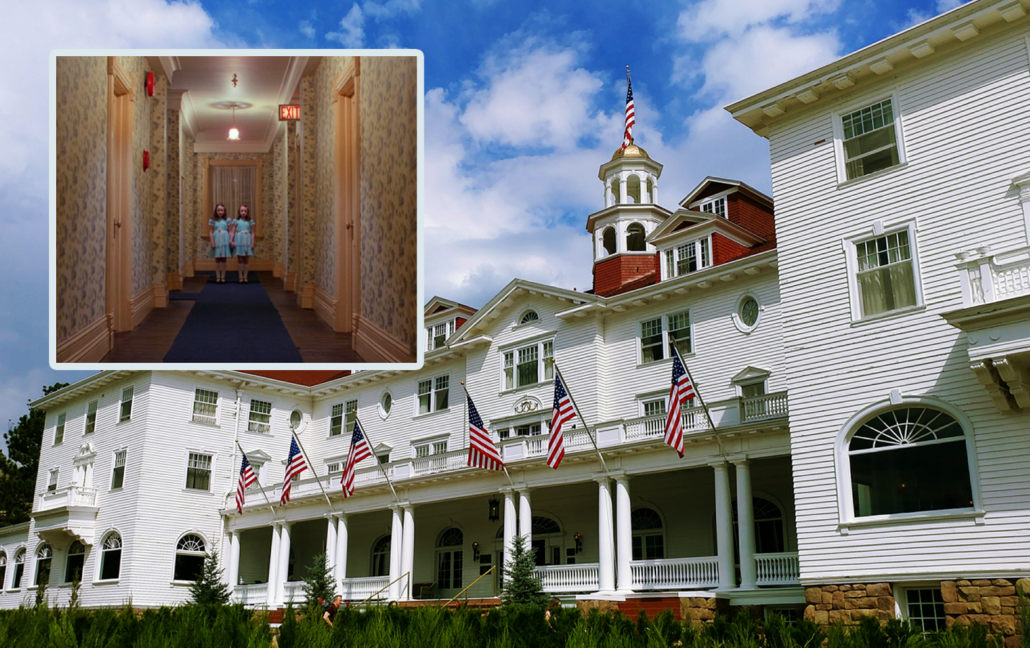
    Can we have a list of iconic hotels without mentioning the haunted and chilling setting provided by the Timberline Lodge in Oregon? While it only served as the exterior shots for Stanley Kubrick’s fictional Overlook Hotel, the lodge serves as a horror fanatic destination and is reported to draw in 2 million people annually. While you won’t find creepy twins or a lunatic with writer’s block here, you will be awarded some incredible backdrops for your own inspiration.

    Timberline Lodge, Mt. Hood

  • The Grand Budapest Hotel
    No, it’s not real, and yes, we are sorry to be the ones to break it to you. However, several resorts that can tickle you pink in the same way as the extravagance of Wes Anderson’s imagination can. Hotel Sacher Salzburg in Austria best matches the exterior with similar symmetry and architectural style. You can also step into the movie with a visit to Dresden Molkerei Gebrüder Pfund, which was a shooting location for the pastry shop in the film.
    The Grand Budapest Hotel Exterior

    The Grand Budapest Hotel Exterior

  • Forgetting Sarah Marshall
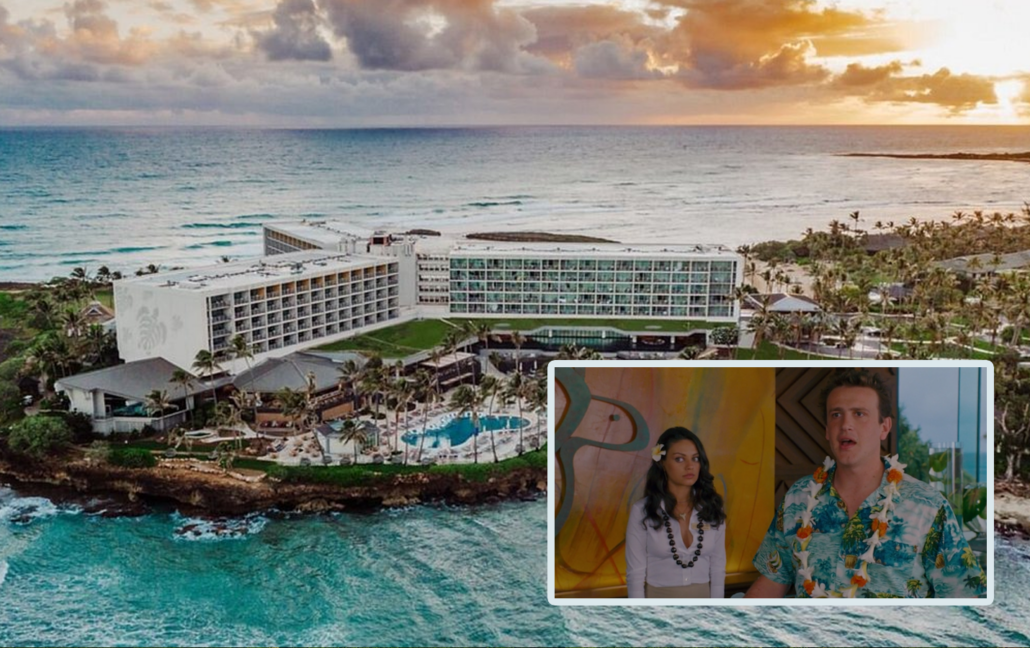
    Sometimes the only thing you can do after a devastating breakup is to book a trip to Oahu. If you want exactly what Jason Segal’s character did in the film, check out The Ritz-Carlton O’ahu, Turtle Bay resort. While you’re there, you can cliff dive, surf with locals, embrace your career dreams, and hopefully not run into your ex and her creepy rockstar boyfriend. But if you do, they have several on-location restaurants to grab a cocktail, so don’t fret.
    The Ritz-Carlton O'ahu, Turtle Bay and still from Forgetting Sarah Marshall

    The Ritz-Carlton O’ahu, Turtle Bay

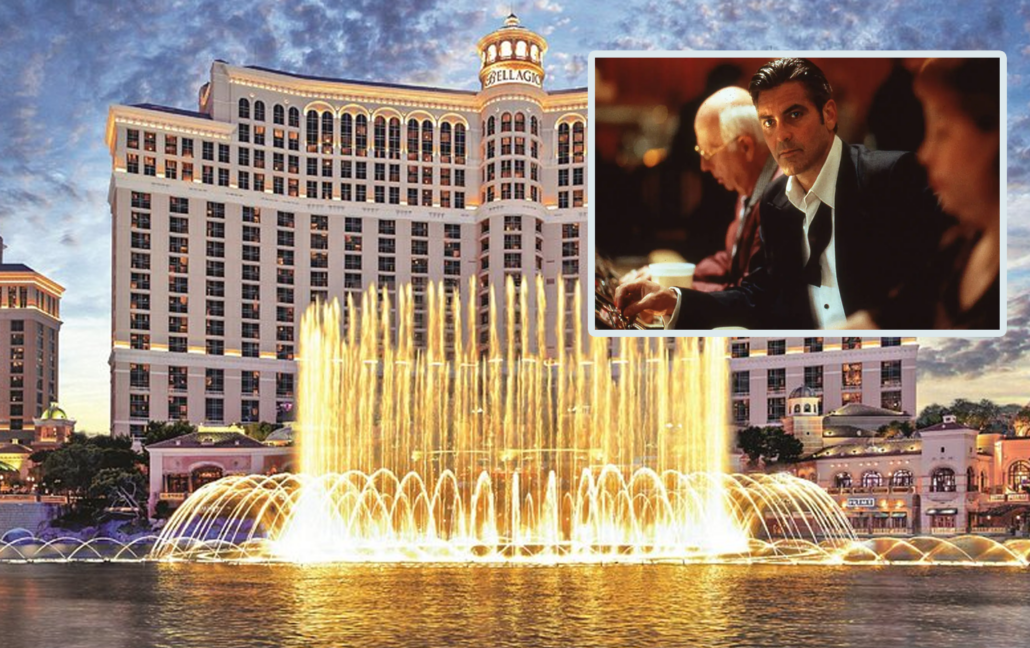
  • Bellagio Hotel & Casino
    Few hotels are as instantly recognizable as the Bellagio in Las Vegas, thanks to Ocean’s Eleven. The film’s grand heist, set against the backdrop of the Bellagio’s dazzling fountains and high-roller atmosphere, cemented the hotel as a symbol of Vegas luxury. Today, visitors reenact their favorite scenes by watching the fountain shows, playing in the world-famous casino, and soaking in the cinematic grandeur of this iconic resort.

    Bellagio Hotel & Casino Ocean's Eleven

  • Motel 6 & Budget Motels
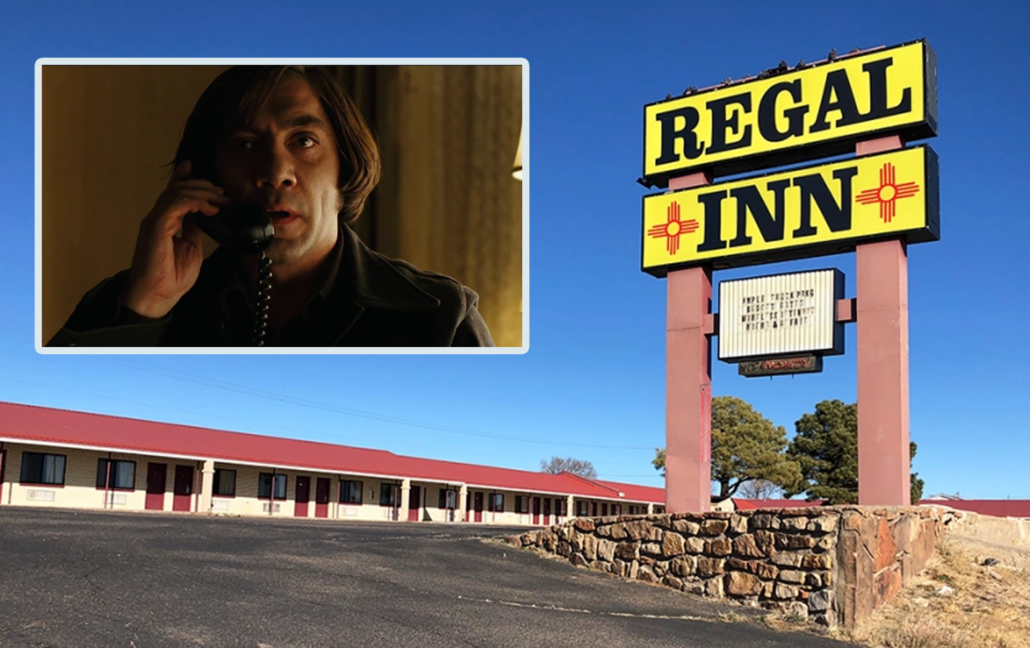
    On the grittier side of pop culture, budget motels have played starring roles in crime dramas. Locations like Albuquerque’s Crossroads Motel from Breaking Bad and The Regal Motel in Vegas from No Country for Old Men have become unlikely landmarks, drawing visitors looking to immerse themselves in cinematic storytelling.
    Regal Inn from No Country for Old Men

    Regal Inn, Las Vegas


How Pop Culture Drives Tourism

Hotels featured in pop culture gain free, organic marketing through the power of nostalgia and fandom. TV shows, movies, and music create an emotional connection that inspires travel. The rise of social media has further amplified this effect, with fans sharing their experiences and influencing new travelers.

For hoteliers and destination marketers, leveraging pop culture connections can be a game-changer. Here’s how:

  • Create themed experiences – Offer packages inspired by famous on-screen moments or songs.
  • Encourage user-generated content – Invite guests to share their pop culture-inspired visits with dedicated hashtags.
  • Partner with influencers & fandoms – Work with pop culture influencers to attract niche audiences.
  • Host events & screenings – Movie nights, concerts, or guided tours can turn a stay into an experience.

Pop culture shapes tourism, and you can tap into that magic. Whether your hotel or city has a silver-screen history or you want to create a must-visit experience, leveraging film, TV, and music as inspiration can boost bookings and brand recognition.

  •  

Why Your Nonprofit Needs a Better Newsletter (And How to Fix It)


Nonprofit volunteers


A well-crafted nonprofit newsletter is one of the most effective tools for keeping supporters engaged, driving donations, and amplifying your mission. However, many organizations struggle with newsletters that are inconsistent, unfocused, or simply not visually engaging enough to capture attention. If your nonprofit’s newsletter isn’t performing as well as you’d like, it may be time for an upgrade.


Common Nonprofit Newsletter Mistakes

  • Lack of Clear Purpose – Does your newsletter have a goal? Whether it’s increasing donations, recruiting volunteers, or raising awareness, every edition should serve a specific purpose. Without clarity, your audience may not feel compelled to take action.
  • Irregular Sending Schedule – Consistency is key. If you send newsletters sporadically, supporters may forget about your organization. On the other hand, too many emails can lead to subscribers being overwhelmed and eventually unsubscribing. Finding the right balance–whether it’s monthly, biweekly, or quarterly–and staying consistent is the way to keep subscribers.
  • Not Visually Engaging – Most people scan emails very quickly. Long blocks of text can overwhelm readers, and lead them to ignore content. Break up your newsletter with headings, bullet points, and eye-catching images.
  • Lack of Personalization – Generic greetings like “Dear Supporter” don’t engage readers. Personalizing emails with a recipient’s name or tailored content based on past engagement can improve click-through and engagement rates.
  • Weak Calls to Action (CTA) – A nonprofit newsletter should always encourage readers to take the next step, whether that’s donating, signing up for an event, or following you on social media. Use strong, action-oriented language like “Join Us,” ” Donate Today,” or “Show Your Support.”


How to Fix Your Nonprofit Newsletter

  • A Compelling Subject Line – Your subject line is the hook that determines whether someone will open your email or send it straight to the trash. Keep it concise, engaging, and relevant. For example: “Your Support Can Help Change a Life” or “We Fed XX People Last Month With Your Help”
  • Use a Clean, Mobile-Friendly Design – Nearly 60% of readers check emails on their phones, so your newsletter should be mobile-optimized. Use a simple layout, readable fonts, and buttons instead of text for easy finger-clicking.
  • Incorporate Storytelling – People connect with stories far more than statistics. Share real-life impact stories about those who have benefited from your nonprofit’s work. Include a powerful quote or testimonial to make it more compelling.
  • Segment Your Audience – Not every supporter needs the same content. Donors, volunteers, and general subscribers may have different interests. Segmenting your email list allows you to send tailored content that resonates with each group.
  • Track & Optimize – Use email marketing analytics to track open rates, click-through rates, and conversions. If engagement is low, test different subject lines, layouts, or content formats to see what works best for your goals and audience.
  • One Last Thing… – Link your newsletter to a well-designed landing page or website. Even the best nonprofit newsletter won’t be effective if it directs readers to a confusing or outdated website. Make sure your site is easy to navigate and easy to donate through and that you are maintaining brand standards across both channels.

If your nonprofit’s newsletter isn’t getting the results you need, we can help. Give us a call at 330-286-0487 or email us at info@mcconnellmarketing.com to see how we can help you improve your communication strategy.

  •  

How Tourism Bureau Marketing Has Evolved


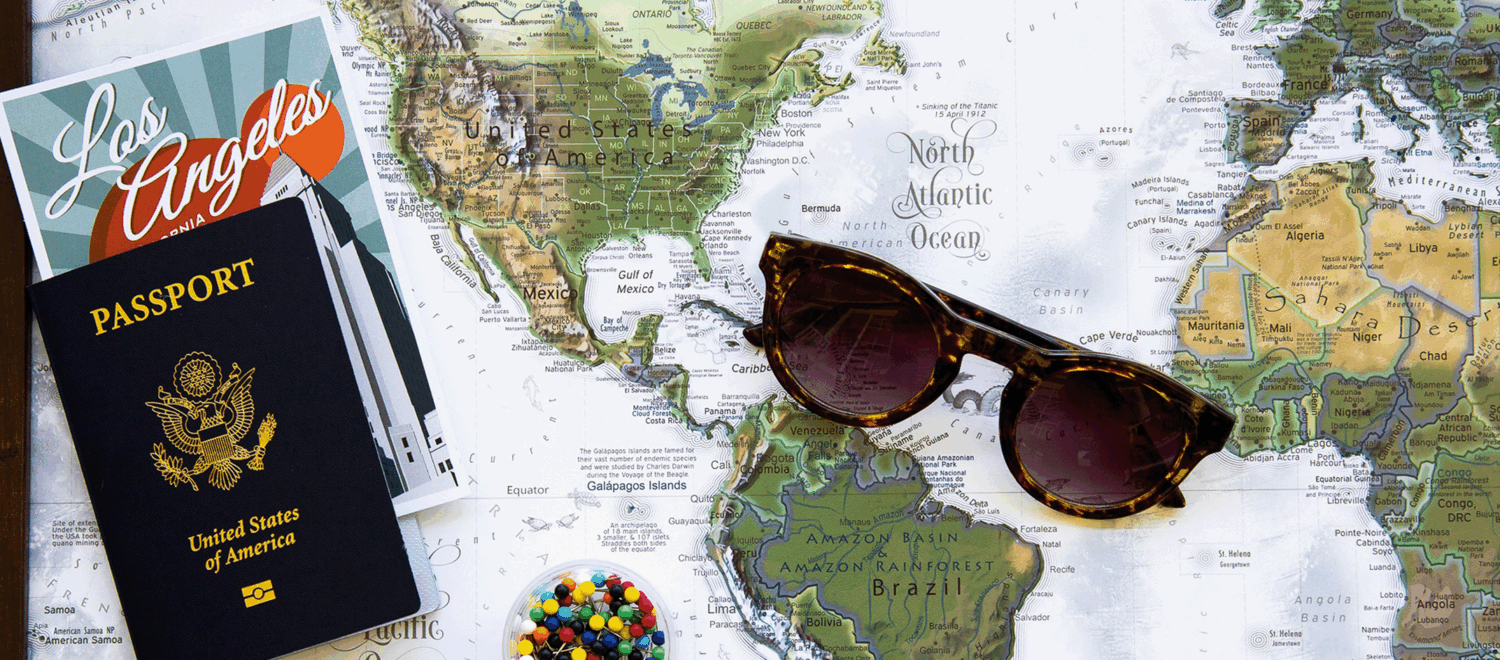
Tourism Bureau Marketing Image with map and passport


The world of travel has undergone a dramatic transformation in the last decade or so. Once reliant on brochures, travel guides, and in-person visitor centers, tourism bureaus have had to embrace technology to effectively promote destinations and attract visitors. Digital platforms, social media, and user-generated content (UGC) have reshaped how people discover and plan their trips. Here’s a look at how tourism bureau marketing has evolved to keep pace with these changes.


The Rise of Online Travel Planning

With the rise of online travel agencies (OTAs) like Expedia, Booking.com, and Airbnb, travelers now have direct access to flights, accommodations, and experiences at their fingertips. This shift has led many to bypass traditional visitor bureaus, opting instead for self-guided trip planning. To stay relevant, tourism bureaus are focusing on creating compelling destination branding, offering immersive digital content, and partnering with local businesses to promote unique experiences that OTAs cannot provide. A strong online presence, complete with well-designed websites and interactive itineraries, helps ensure that destinations remain top-of-mind for travelers.


Social Media & User-Generated Content (UGC)

Social media has become a crucial tool for tourism bureau marketing, with platforms like Instagram, YouTube, and TikTok shaping travel trends. Instead of relying solely on traditional advertising, tourism bureaus now leverage influencer partnerships, crowd-sourced photography, and authentic visitor testimonials to showcase their destinations. UGC, in particular, plays a key role as travelers tend to trust real experiences shared by fellow explorers more than polished advertisements. By encouraging visitors to tag locations, share photos, and use official hashtags, tourism bureaus can organically expand their reach and inspire future travelers.


A Page from the Michelin Guide

The Michelin Guide has long been a symbol of excellence in hospitality, helping travelers discover the finest restaurants and accommodations. While it originally existed as a physical book, it has successfully transitioned into the digital space, offering searchable, curated recommendations online. Tourism bureaus can take a lesson from this approach by creating high-quality, well-researched content that highlights local gems, culinary hotspots, and cultural landmarks. By becoming a reliable and authoritative resource for travelers, tourism organizations can enhance their credibility and serve as their area’s Michelin Guide, attracting high-end travelers seeking curated experiences.


The Future of Tourism Bureau Marketing

As the travel industry continues to evolve, tourism bureaus must stay ahead of emerging trends to remain effective. Whether it’s embracing video content, highlighting sustainable travel initiatives, or showcasing immersive experiences through virtual reality, adapting to the digital landscape is key. The shift toward hyper-personalized marketing—where recommendations are tailored to travelers’ specific interests—will also shape the future of destination promotion.


While traditional marketing methods like printed brochures and in-person visitor centers still have value, the digital shift has been one of the most significant changes in tourism marketing. By leveraging social media, engaging with UGC, and utilizing trusted resources like the Michelin Guide, tourism bureaus can continue to connect with modern travelers in meaningful ways.

Need help enhancing your tourism marketing strategy? We can help you craft compelling content, develop engaging digital campaigns, and optimize your online presence. Reach out to us at 330-286-0487 or email info@mcconnellmarketing.com.

  •  

Welcoming 2025!

Disco ball reflecting green light in dark room

Well, the new year has arrived and the McConnell team is ready for whatever it may bring! Here’s some light reading on what we liked (and disliked) about 2024, and where we hope 2025 will take us!

What’s one project from this year that you’re most proud of and did you (honestly) enjoy working on it?

Carson: My favorite project from this year is two-fold: The rebrand for the Mahoning County CVB and the 2025 Travel Guide. The travel guide is one we do every year, however, this is the first time I’ve been on the project from start to finish. And tied in with the rebrand, it’s been really cool to see everything come together. I can’t wait to unveil it!
Deanna: I’ve had the pleasure of working closely with one of our newest clients this year on their Visitor Guide. It’s always inspiring to collaborate with a team that aligns so seamlessly with ours. The project isn’t quite finished yet, so stay tuned—exciting things are on the way!
Angie: My favorite project of the year was the Fabian Woodworking Website! I’m really proud with how it turned out. Not only did it give me a chance to flex my custom coding skills, but the client was very happy and excited to boost their online presence.
Aly: Completely redesigning a new client’s travel guide. It was so fun to come up with a new layout and extremely satisfying to finally see the blank pages get filled. It was a heavy lift, but I did enjoy it even when it was stressful–honestly!

Is there anything you learned this year that you think other marketers should know?

Carson: Embrace change! Personally and professionally.
Deanna: Here’s a little marketing lesson from this year: not every client needs to be on every social media platform. Maybe you spent months convincing clients to jump on TikTok, only to see it getting banned in the U.S. Focus on platforms that actually align with your client’s goals and audience instead of just chasing the latest trends.
Angie: Marketing and design is a balance between focusing on the minute details, zooming out to make sure the larger picture is still in focus, and making sure you don’t get too stuck on one vs the other.
Aly: People are seeking authenticity. We want to see the people behind the brands! I think marketers and businesses should put more focus on being real and less focus on looking perfect.

If you could go back to January 2024 and give yourself one piece of advice, what would you tell her?

Carson: This year is going to be one you won’t forget, a rollercoaster full of emotions, challenges, and difficult situations. Just remember you’re stronger than you think you are, and don’t forget to lean on your people.
Deanna: Honestly? Just leave it at work. Every December, I find myself laughing at the things that had me totally stressed in July. It all works out in the end, so don’t sweat it too much!
Angie: I would tell the January 2024 version of me to not be afraid to taking bold action.
Aly: Keep on keepin’ on… what comes will eventually go. Be it stressful or enjoyable! Also I’d probably tell her to file her taxes early for once, but it’d be unlikely that she’d listen.

What’s a marketing or design trend that you’re excited to leave in 2024?

Carson: Maybe excessive drop shadows?
Deanna: I don’t want to see another headline with AI in it. NONE.
Angie: Thought not necessarily a trend, one thing we were bombarded with in 2024 was election marketing. I’m glad to take a break from that this year, but I know it will always make it’s way back around. Though I did see some well-put-together commercials, social media campaigns, and direct mail materials, most of election marketing and design is truly the wild west.
Aly: Please stop using AI art on socials. I’m begging you. I promise you can find a real person that can do the job better and it will be way better received by people online.

What song got you through the year?

Carson: “E Get Why” by Winter Amaden, Marizu, and Kelly Lyon
Deanna: Thanks to the lovely Apple Music Replay, I found out Zach Bryan was my top-played artist this year. “I Remember Everything” and “Oklahoma Smoke Show” got overplayed for sure!
Angie: Seriously and unapologetically, the whole Tourtured Poets Department album by Taylor Swift.
Aly: I hyperfixated on The Beach Boys for like 5 months. Probably cried to “God Only Knows” more times than could be considered healthy, but it was cathartic.

If you had to sum up the year in a gif/meme which one would it be?

Carson:

Deanna: Directed @ Mark Zuckerberg

Angie: The Wicked Witch of the East, Bro!

Aly: I know March 2024 seems like half a century ago, but Sad Oompa Loompa has been a mood since.

What’s something you hope our team gets to do in 2025?

Carson: Travel more! I’d love to bring back work trips, seems we haven’t done much of that since before 2020
Deanna: I never dream of labor, so I will instead dream a of fun team retreat in 2025.
Angie: I hope we get to go to a marketing event or conference!
Aly: More things outside of the office! I would love to go on a gals trip. Either that or install a Mad Men-inspired office bar, haven’t decided.

What do you think we will be working on in December of next year?

Carson: That is such a loaded question haha. Hopefully some unique projects for new clients!
Deanna: I hope for great projects from the clients we already have, and some new clients at this time next year! And honestly, I’m really hoping we’ve wrapped up all our Christmas marketing before December rolls around for once. Fingers crossed!
Angie: I think we’ll be wrapping up the year for our clients. Finishing up social calendars, making sure plans are in place for the new year, wrapping up travel guides and newsletters, etc. With marketing, we are always one step ahead of what’s actually happening in the month, so all holiday-focused projects are usually completed in November.
Aly: I can guarantee we will be diligently (albeit gracefully) racing the clock. And also probably saying “This month went by so fast, what is happening” in a mild panic.

Happy 2025 to all of our lovely clients! We look forward to another year of working together.

2025 Digital Marketing Trends: AI and AR and VR, Oh My!


As we say every year… the digital marketing landscape is evolving rapidly, and this coming year is not holding back. We’ve already seen nearly every device and app used in the day-to-day introduce AI–whether we asked for it or not. Which other trends are set to transform how brands connect with audiences? Here’s a closer look at some 2025 digital marketing trends that will shape the future of digital engagement.


1. AI and Machine Learning in Marketing

Artificial intelligence (AI) and machine learning (ML) are becoming indispensable tools in marketing, refining everything from customer segmentation to content creation. Expect chatbots and virtual assistants to provide more human-like, sentiment-driven interactions, revolutionizing customer service. Marketers who embrace tools like ChatGPT and Meta-suggested ad copy and settings can automate tasks, enhance personalization, and create tailored, data-driven campaigns.


2. Social Media Fatigue

As consumers grow weary of constant ads and content overload, brands will need to rethink their strategies. Authenticity, community-driven engagement, and a balance between promotional and organic content will be crucial to maintaining trust and attention on social platforms. And if that doesn’t push users away, the United States’ concern about national security will certainly force brands to think of other communication channels.


3. Augmented Reality (AR) and Virtual Reality (VR)

AR and VR are no longer just for gaming—they’re redefining retail and real estate with immersive experiences. From virtual try-ons for beauty and fashion to property tours in hotels and attractions, these technologies offer innovative ways to engage and captivate audiences. Early adopters will stand out by delivering interactive, memorable customer experiences.


4. The Continued Dominance of Video Content

Video remains a dominant force, with short-form clips and live streaming leading the charge on platforms like TikTok and Instagram Reels. Brands that adapt to these trends by embracing quick, engaging formats or leveraging live Q&As can capture audience attention and drive meaningful interactions. While it may be daunting to get in front of the camera, it can boost your brand’s visibility more than any graphic can.


5. Personalization at Scale

Hyper-personalized marketing is no longer a luxury—it’s a necessity. Consumers expect content tailored to their preferences and behaviors across the buyer journey. Tools like HubSpot and Marketo enable brands to deliver dynamic, AI-driven personalization at scale, creating relevant and impactful interactions. Consumers want to feel seen and heard (but not stalked), and AI is helping even small brands deliver bespoke experiences.


6. Social Commerce and Shoppable Content

The line between social media and e-commerce continues to blur, with platforms like Instagram, Facebook, and Pinterest integrating seamless in-app shopping experiences. Shoppable posts and influencer partnerships offer brands new ways to connect with customers and streamline the purchasing process. It allows brands to see what products move people from observers to consumers.


To thrive in this shifting landscape, brands must embrace innovation while maintaining authenticity. By leveraging these 2025 digital marketing trends strategically, marketers can create impactful campaigns that resonate deeply with their audiences and foster lasting connections. If you need help with next year’s marketing strategy, email us at info@mcconnellmarketing.com or give us a call at (330) 286-0487.

  •  

From Clicks to Connections: How Blogging Boosts Your Digital Strategy


In our rapidly evolving digital landscape, businesses have countless opportunities to engage and connect with their audiences online. Social media, emails, and paid ads are essential, but one marketing tool continues to stand the test of time: blogging. Blogging for brand awareness is more than a way to share industry insights or updates—it’s a fundamental part of an effective digital marketing strategy. So, why is blogging still relevant, and how does it drive real results?


Boosts Search Engine Visibility

One of the most significant benefits of blogging is that it enhances your website’s visibility in search engine results. Regularly updated blog content with relevant keywords, titles, and meta descriptions helps your website rank higher on Google and other search engines. This means that when potential customers search for topics related to your industry or products, they’re more likely to find your site.

Focusing on strategic keywords and popular topics in your field allows your blog posts to draw in organic traffic over time, making it easier for customers to discover you without paying for ads.


Positions Your Brand as an Industry Expert

When you share insights, how-to guides, and updates through your blog, you’re establishing your brand as a reliable resource. This builds your authority in the industry, positioning you as an expert that customers can trust. Providing valuable content demonstrates that you understand their needs, are up-to-date on trends, and have solutions to common problems.


Over time, this can help cultivate a following, as readers rely on your brand for insights, news, and reliable advice. Whether you’re in retail, tech, hospitality, or healthcare, every industry benefits from a blog that educates and informs.


Give Your Content to Recycle

Creating fresh content for social media or email campaigns can be challenging. A blog provides a steady stream of valuable, shareable content for these channels. Each blog post becomes a potential social media post, a discussion topic, or an email update.


Instead of pushing out purely promotional content, you can share blog posts that entertain, educate, or inspire. This adds value to your followers’ feeds and inboxes and increases the chance your content will be shared, helping you expand your audience.


Provides Insights into Your Audience

Blogs offer valuable insights into your audience’s interests. By analyzing which posts are performing well, you can gain an understanding of your readers’ preferences and questions. This can inform your future content strategy, helping you create posts that resonate with your target audience.


In addition, blog performance can provide a solid foundation for your paid ad campaigns or new product development. When you know what topics generate the most interest, you can shape your entire marketing approach to better align with audience preferences.


Offers Long-Tern ROI

Unlike ads that stop working the moment you stop paying for them, blog posts continue to drive traffic, leads, and brand awareness over time. With well-researched content, a blog post can continue to provide value for years, attracting organic visitors and reinforcing your brand presence.


This makes blogging for brand awareness a cost-effective, long-term investment for businesses of all sizes. Plus, as your blog archive grows, it creates a powerful foundation of content that can be used to re-engage existing customers or introduce new ones to your brand.


In a world where content is king, blogging remains one of the most effective ways to build brand awareness, increase engagement, and drive long-term growth. It’s not just about publishing content; it’s about creating a space where your audience can learn, engage, and develop trust in your brand. Whether a small business or an established company, incorporating blogging into your digital marketing strategy is essential for driving meaningful results and setting your brand apart.

Looking for more tips on marketing your business and reaching the right audience? You can find us on Facebook, Instagram, or your inbox. If you’re in search of a more personalized plan, give us a call at 330-286-0487 or send an email to info@mcconnellmarketing.com to see how we can help you grow.

  •  

SEO and Driving Organic Traffic


In the midst of the digital renaissance, online visibility has the power to make or break a business. While having a great looking site is a plus, it’s not always enough. Both social media and websites utilize an indispensable tool to get eyes on your brand: Search Engine Optimization. Search Engine Optimization (SEO) is the practice of optimizing a website to improve it’s ranking on search engine results pages (SERPs). Think Google—and maybe Yahoo and Bing, but let’s be honest, Google. Improving your ranking in these results increases the quantity and quality of organic traffic, thereby boosting your website (or IG post) to the top of search results. As more companies recognize the need for a strong online presence, understanding SEO’s role in driving organic traffic is a make-or-break component of your success.


What’s Organic Traffic?

Organic traffic refers to the visitors who land on your account or website through unpaid searches. This means they aren’t coming to your site or account from a paid ad, be it on Google or in their Facebook feed. The higher your site ranks in these organic search results, the more likely it is that users will visit, and in turn SERPs will rank your content higher and higher.

The nice thing about driving organic traffic—and the main reasoning for pushing—is it’s just cheaper than paid traffic! It’s also slowly becoming people’s preferred method of searching as consumers turn away from forced ads and generally tend to trust companies that aren’t paying to push themselves to the front.

Types of SEO

There are several types of SEO that your business can focus on. For now we will focus on website content. On-page SEO involves optimizing individual pages to rank higher and earn more relevant traffic. This may include the following factors:

    • Keyword Optimization: Using relevant keywords in your content to reflect users’ searches.
    • Meta Tags: Including titles and descriptions with keywords to improve visibility on SERPs.
    • Content Quality: Creating high-quality and valuable content that not only answers users’ questions, but keeps them engaged after receiving their answer.
    • URL Structure: Crafting a clear and concise URL that includes your keywords and doesn’t look like a keyboard smash.

In addition to on-page, Off-Page SEO is also to be considered. These are actions taken outside of your website to impact your SERP rankings. These are things like:

    • Backlinking: Acquiring and linking to high-quality content from other websites to boost your site’s trustworthiness.
    • Social Signals: Engaging with your audiences on social media platforms and pushing your audience to your website.

Your site’s Technical SEO also factors into driving organic traffic. This means ensuring your site meets the technical requirements that search engines care about such as:

    • Site Speed: Your site’s loading time will improve user experience (and prevent people from clicking away if a page takes too long to load).
    • Mobile-Friendliness: Ensuring your site is accessible and fully responsive on the most commonly used device–cell phones.
    • Crawlability: Making sure search engines can easily navigate and index your site’s content.

The last SEO leg work to check off your list is Content SEO. This means you’re creating content that is relevant and useful to your audience. Think the following:

    • Blogging: Hey, we love teaching people tips and tricks and our site benefits from the keywords in this very blog that you’re reading! Share your knowledge on topics your audience is interested in.
    • Content Clusters: Organizing content around core topics and linking related articles to optimize internal linking to other blogs or even social media posts.

SEO is not just a marketing tactic—it’s a fundamental part of your business’ success. Optimizing your website to meet the demands of search engines can help you drive organic traffic, build brand credibility, and grow. As the online landscape continues to evolve, staying informed about the latest trends will be essential for companies looking to maintain a competitive edge.

Worried your site isn’t meeting Google’s requirements? You’re in luck—we offer website audits! Reach out to us at 330.286.0487 or send us an email at info@mcconnellmarketing.com to see how we can help drive traffic to your site.

The Rise of Sustainable Marketing


The year is 2024(and a ½!) and Gen Z has been steadily becoming the target audience for many companies as their buying power grows. To the younger generation, sustainability is more than just a buzzword, it’s a movement. As global awareness about environmental issues grows, young consumers are increasingly demanding that businesses prioritize sustainability in their operations and marketing efforts. This shift has led to the rise of environmentally friendly and sustainable marketing, a trend that is reshaping how brands connect with their younger demographics. Let’s explore the key elements driving this movement and why focusing on quality over quantity is becoming the new standard in marketing.


The Shift Toward Sustainability

Sustainability in marketing involves promoting products and services in ways that minimize environmental impact and encourage responsible consumption. This approach aligns with the growing consumer preference for brands that demonstrate a commitment to environmental stewardship.

Today’s consumers are more informed about the environmental impact of their purchases. With access to a wealth of information online, they are making more conscious decisions and favoring brands that align with their values. This shift is leading more businesses to recognize the importance of corporate social responsibility (CSR). By centering sustainability in their core strategies, companies can enhance their brand reputation and foster long-term loyalty with young consumers.

Moving Away from Overconsumption

One of the significant shifts in consumer behavior is the move away from overconsumption. Instead of buying more, consumers are now focused on buying better. This change is driven by a desire to reduce waste and make more meaningful, lasting purchases. This minimalist approach encourages consumers to own fewer but higher-quality items. It aims to reduce waste and promote thoughtful consumption, aligning with sustainability goals.

Additionally, consumers are increasingly looking for products that stand the test of time rather than following fleeting trends. Brands that emphasize durability and timeless design are gaining favor as they promise more value and less environmental impact.


Authentic and Transparent Marketing

Authenticity and transparency are crucial in sustainable marketing. Consumers are skeptical of greenwashing—where companies falsely claim to be environmentally friendly—and are seeking genuine, honest communication from brands. Brands must clearly communicate their sustainability efforts and the tangible impacts of their practices. Being honest about the progress in their sustainability journey (including the challenges and setbacks) will go a long way with consumers.

One way brands can prove their efforts are actually making a difference is by obtaining recognized certifications. These may include Fair Trade, Organic, or B Corp certifications and can lend credibility to a brand’s sustainability claims. These certifications assure consumers that the brand meets high environmental and social standards.


The rise of sustainable and environmentally friendly marketing signifies a shift towards more responsible and conscious consumerism. As people move away from overconsumption and seek authenticity and quality, businesses must adapt their strategies to meet these evolving demands. By embracing sustainability, focusing on transparency, and prioritizing quality over quantity, brands can not only thrive in the marketplace but also contribute to a more sustainable future.

If you feel like you’re ready to revamp your marketing tactics, reach out to us at info@mcconnellmarketing.com and follow us on socials to see extra tips throughout the month!